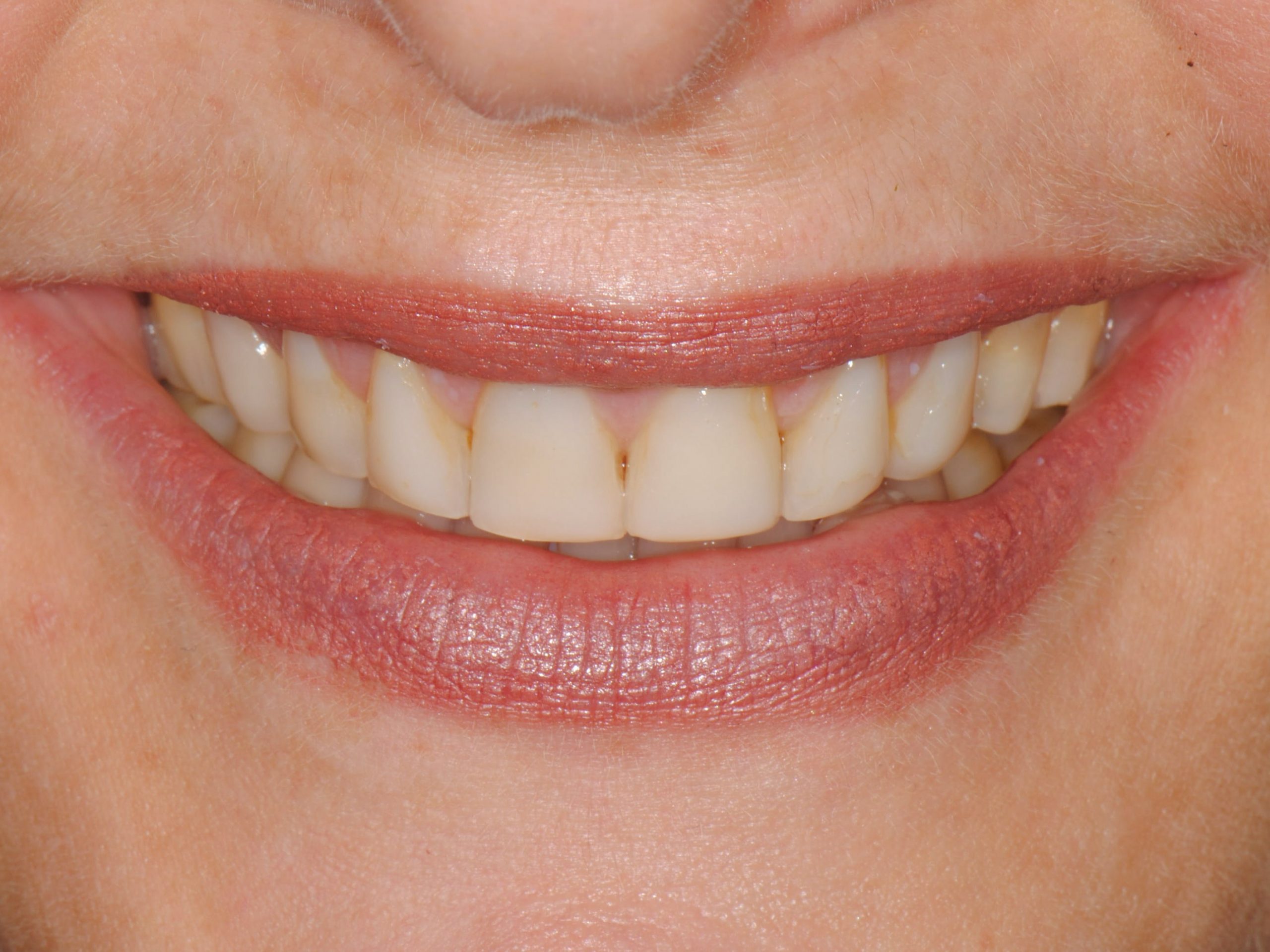
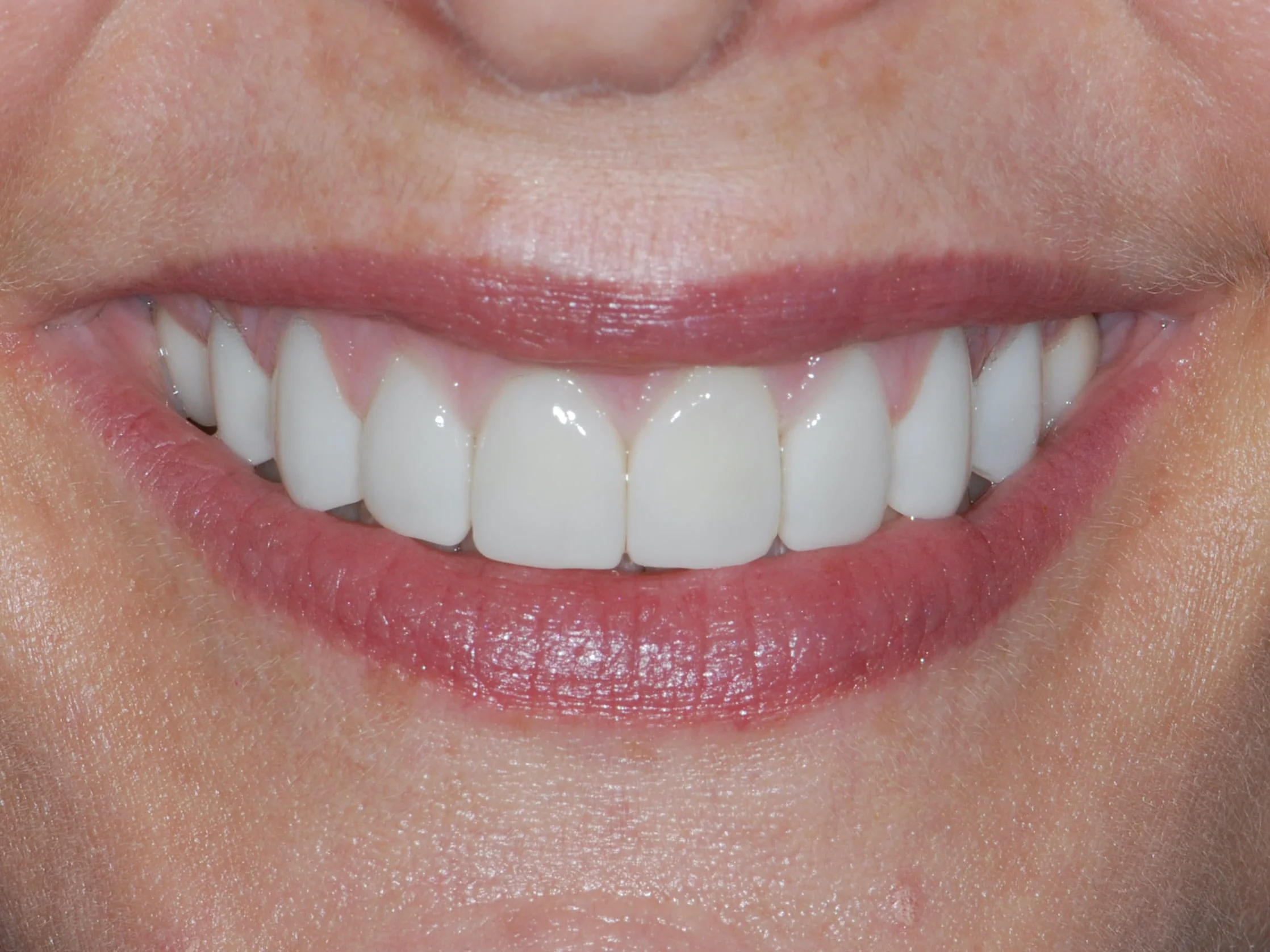
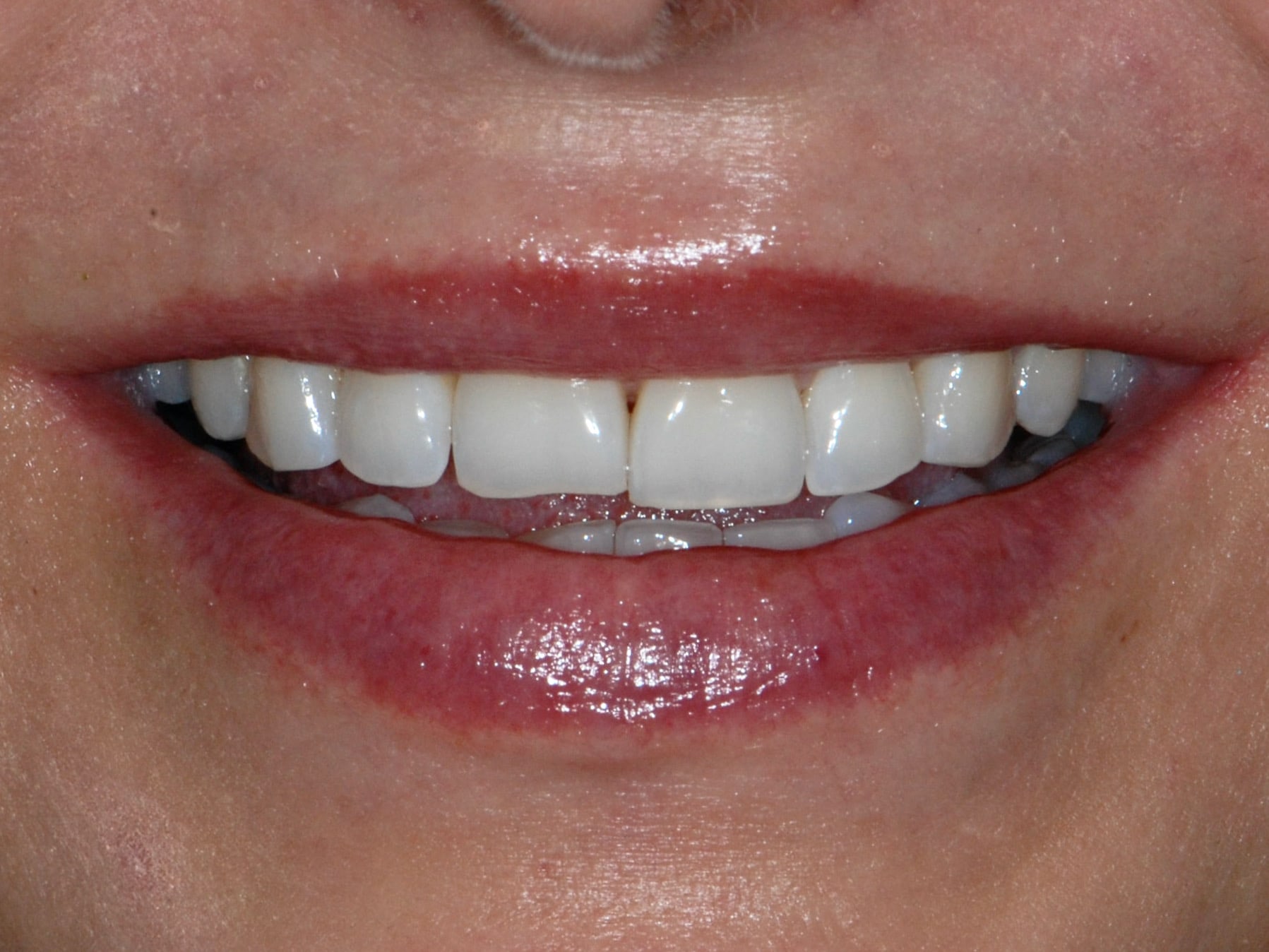
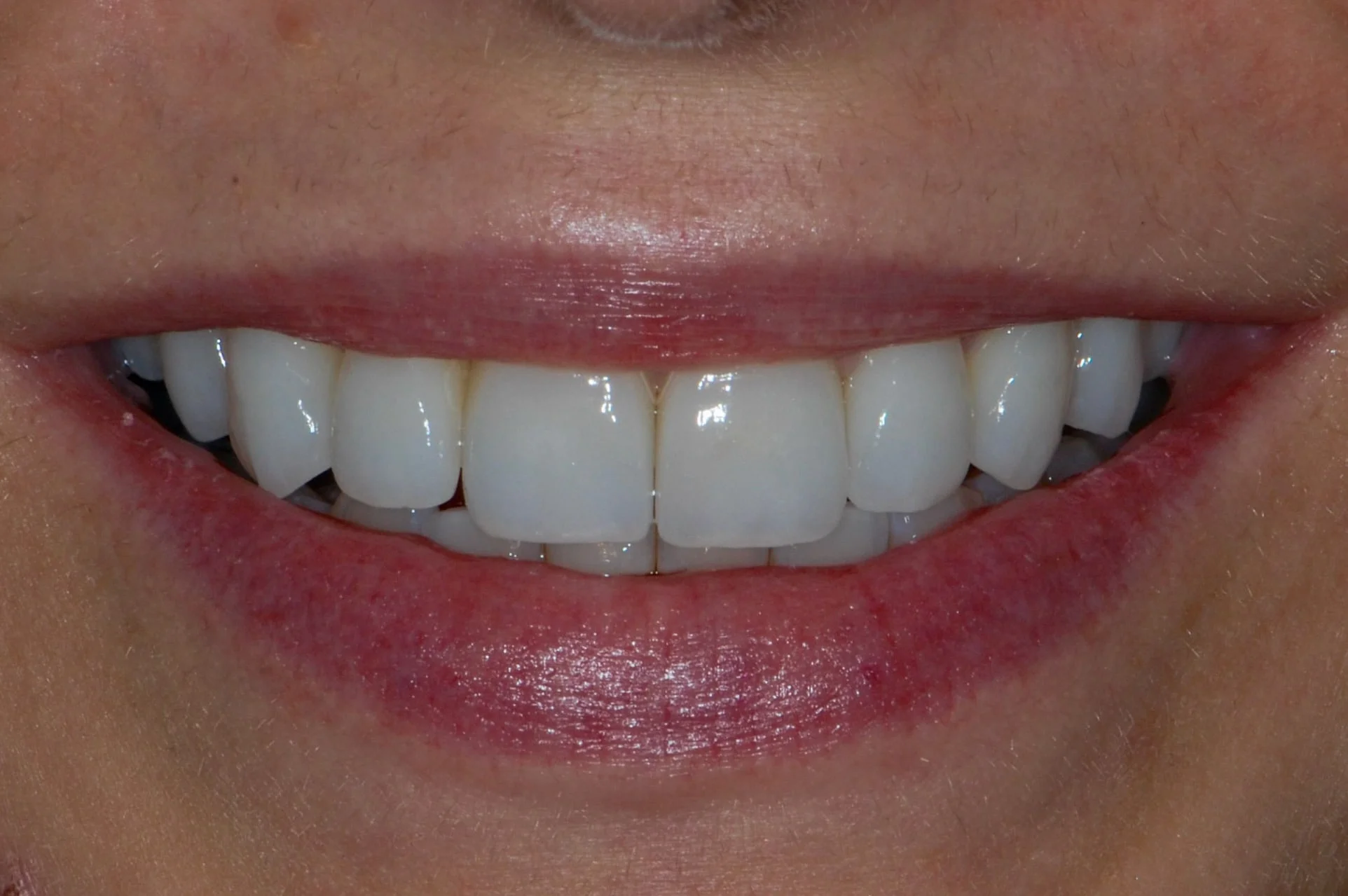
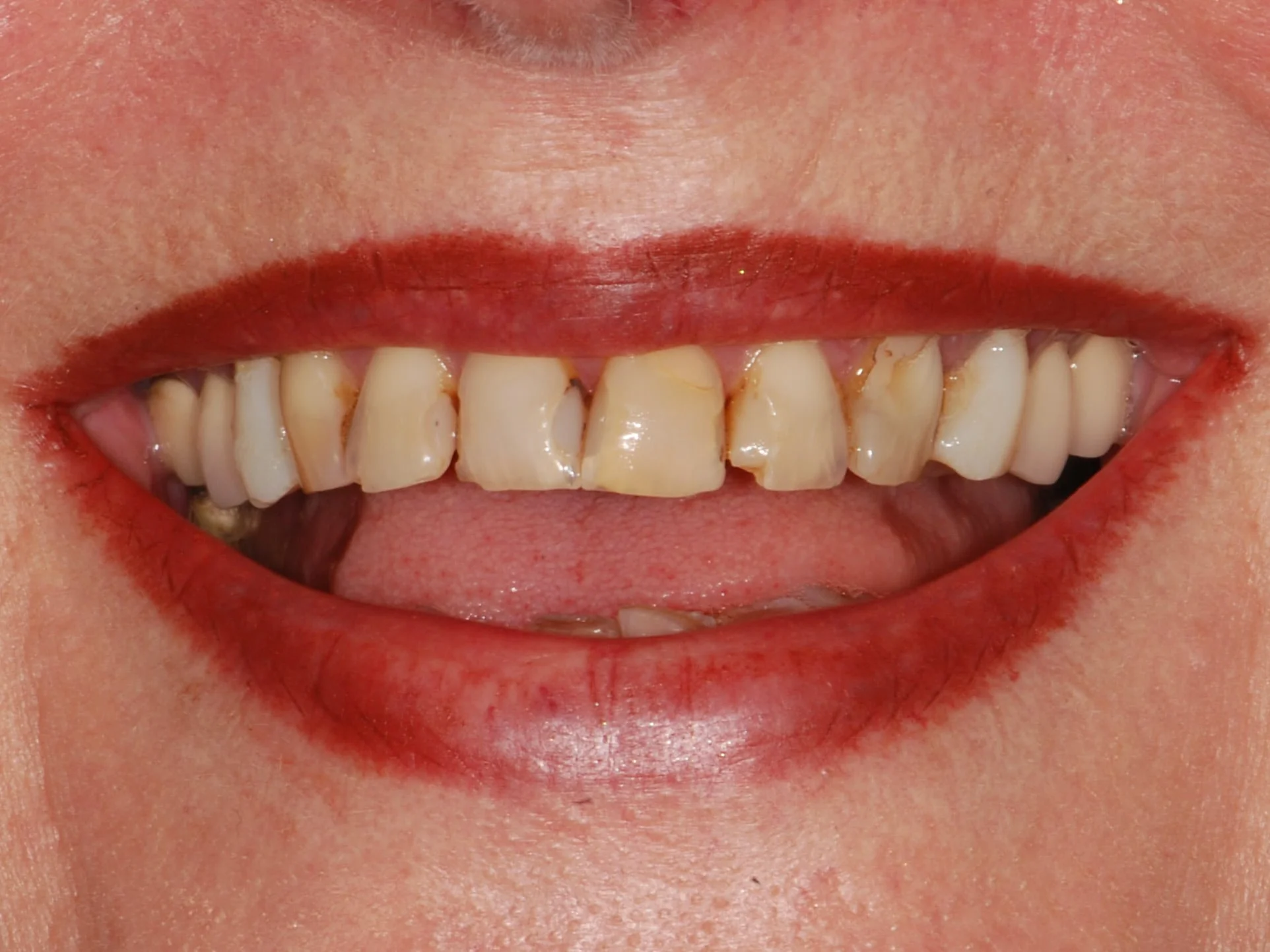
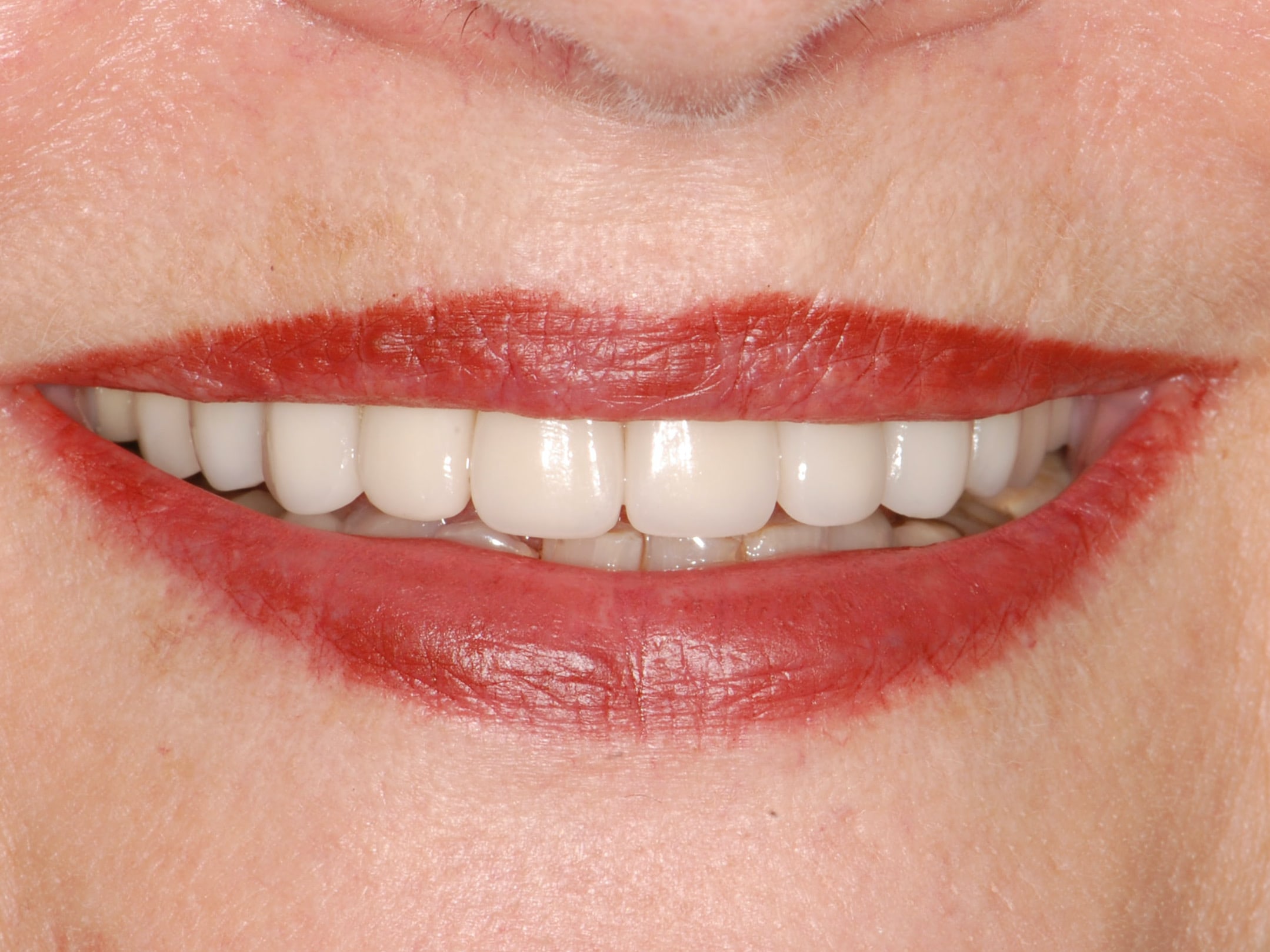
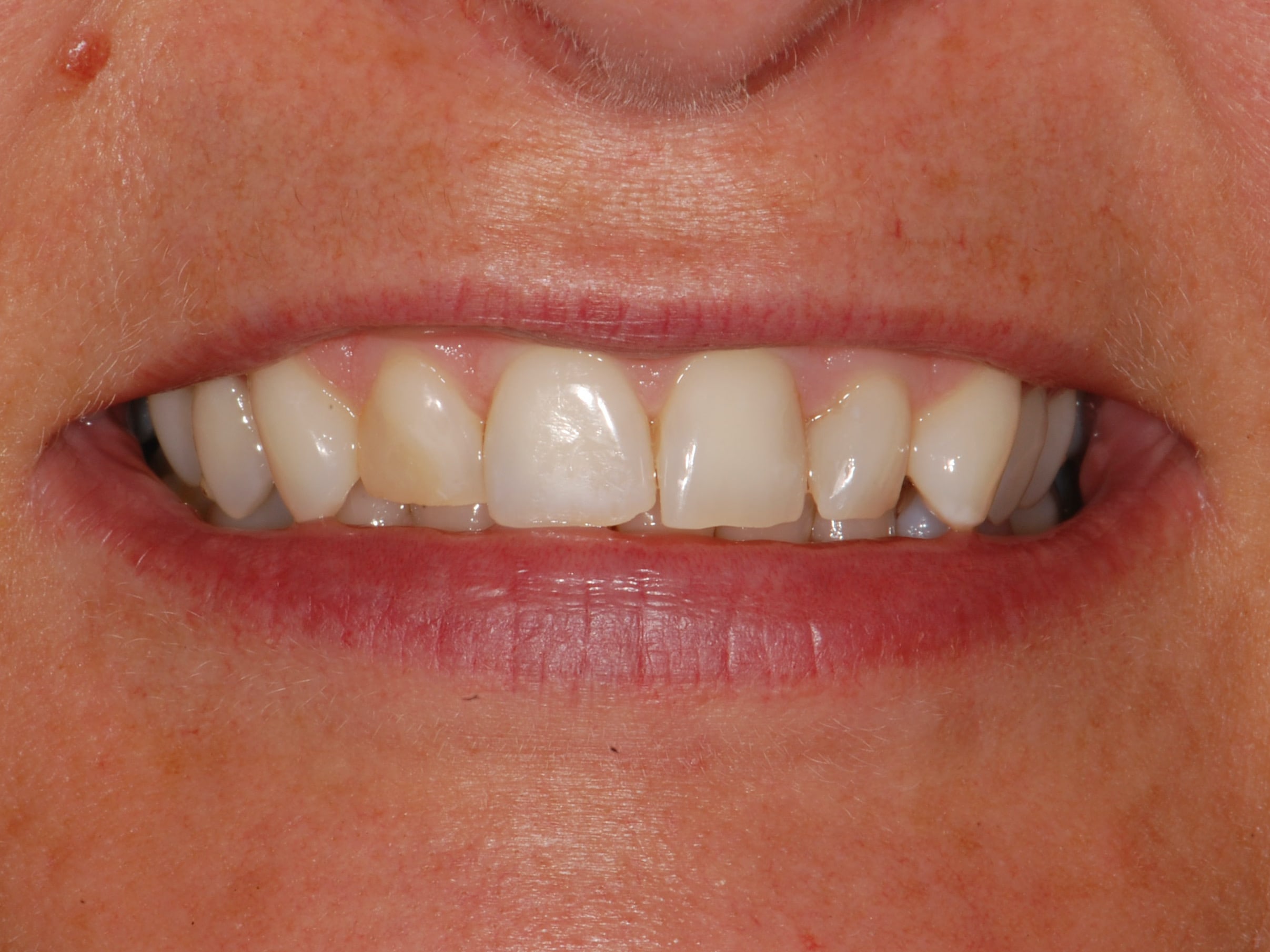
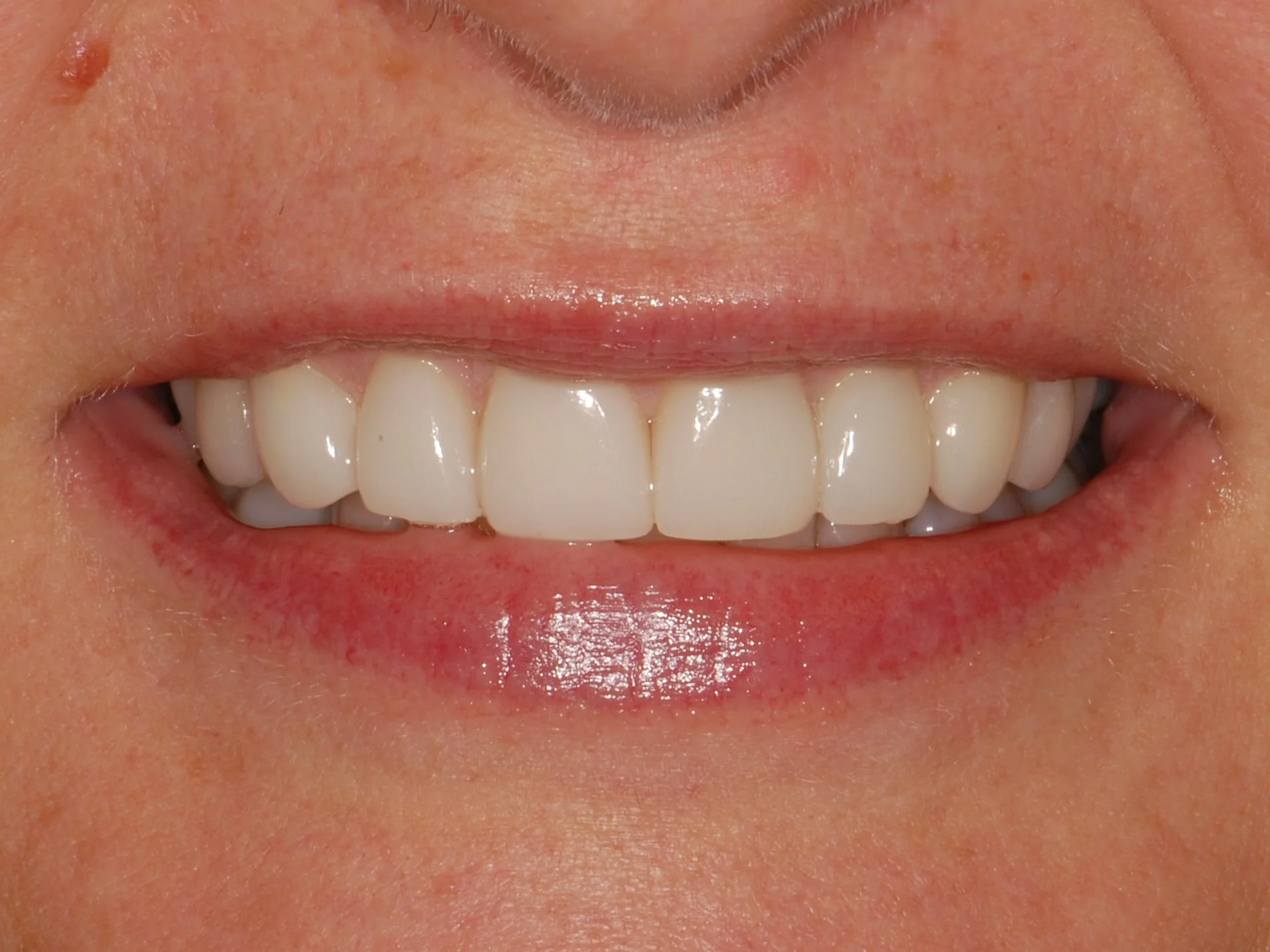
Composite versus Porcelain
When you’re considering veneers there are usually two ways to go about it, porcelain or composite, and which one suits you comes down to your teeth, what you’re hoping to change, and what you’d like to spend. Here’s how we’d explain the difference to you in the chair.
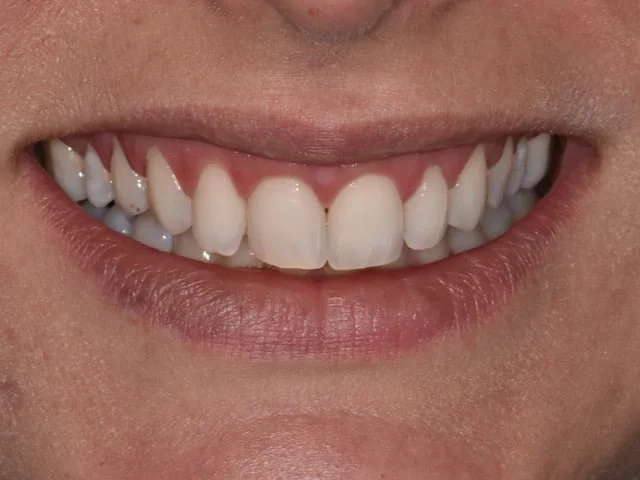
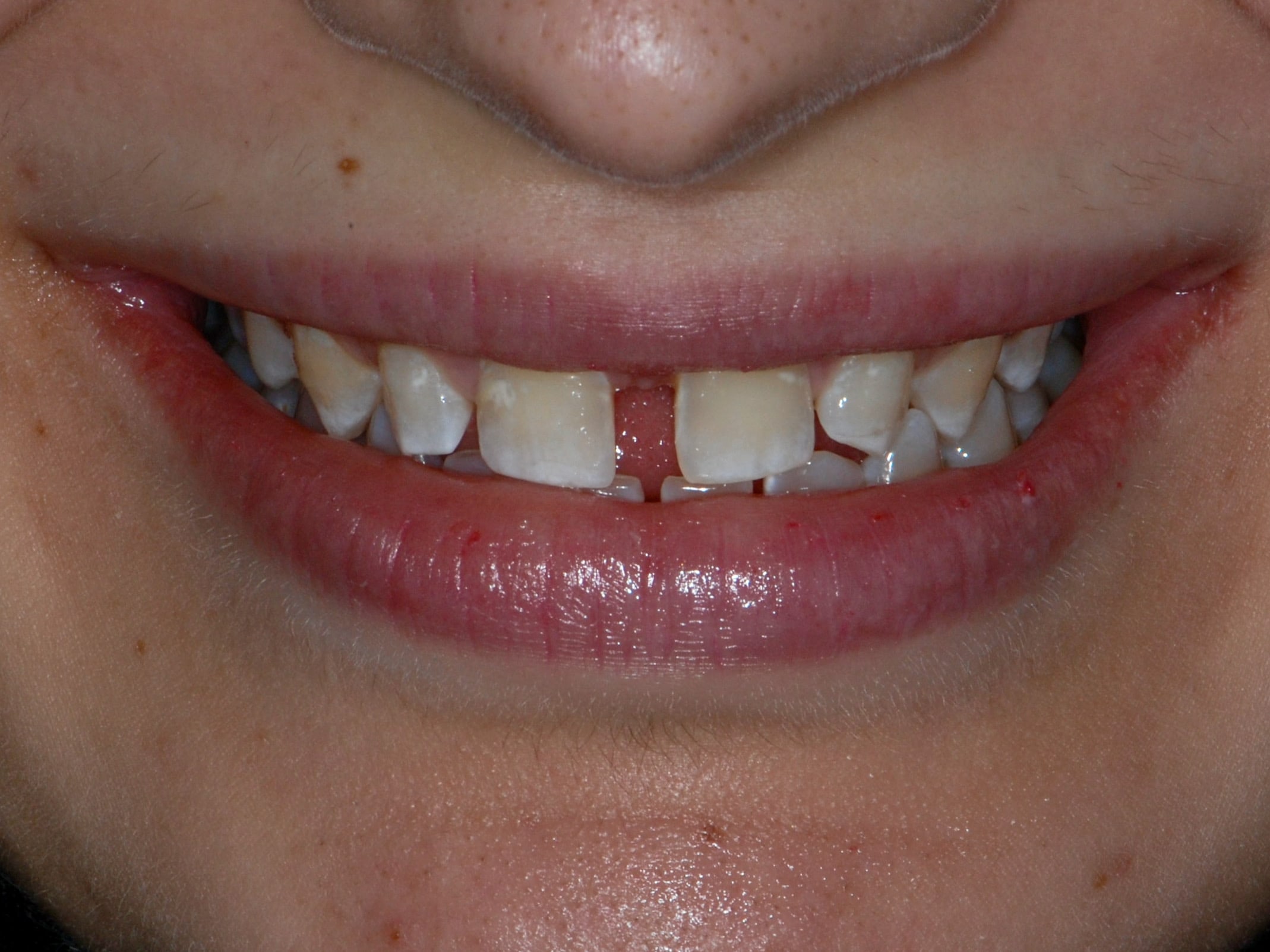
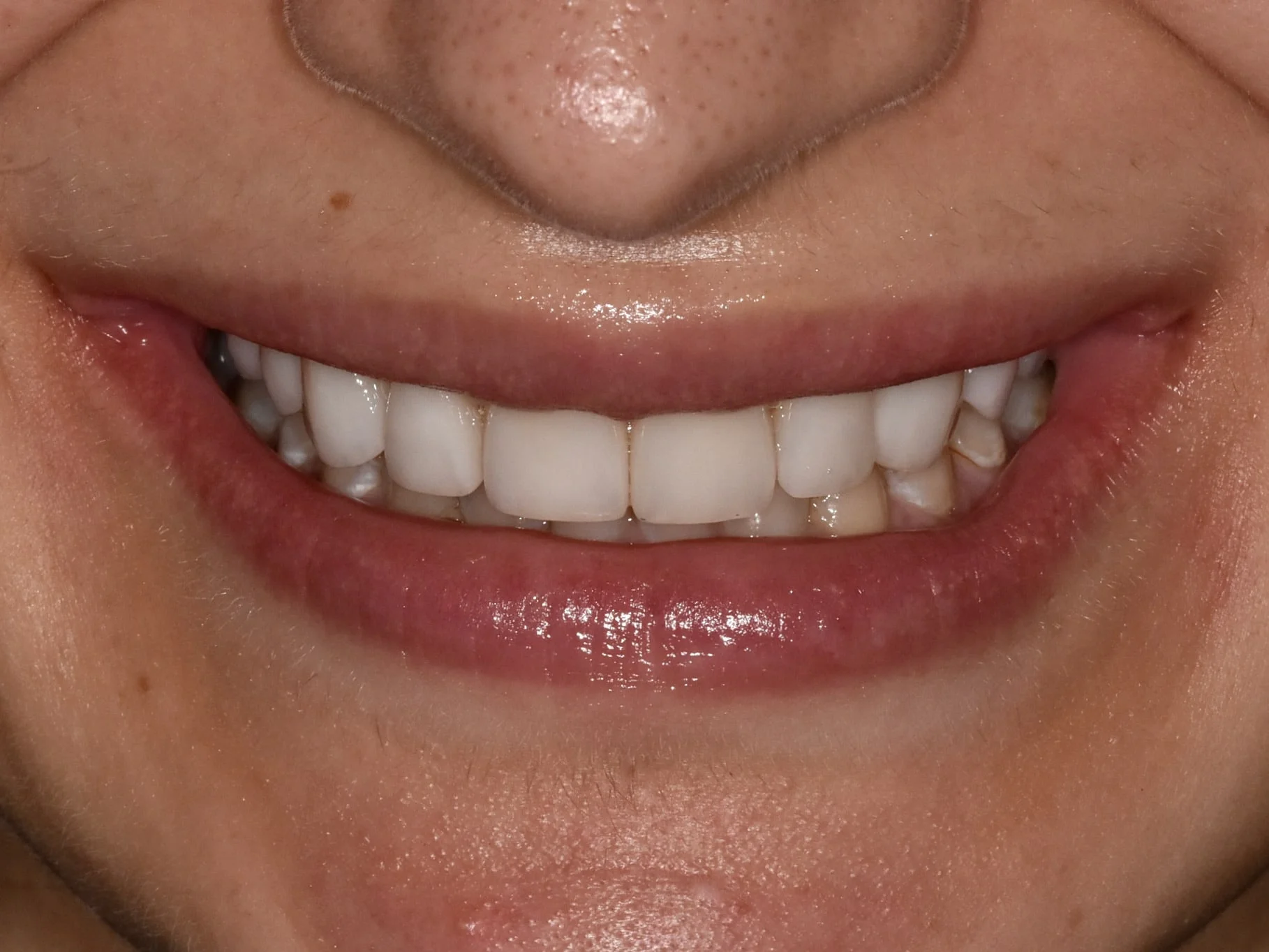
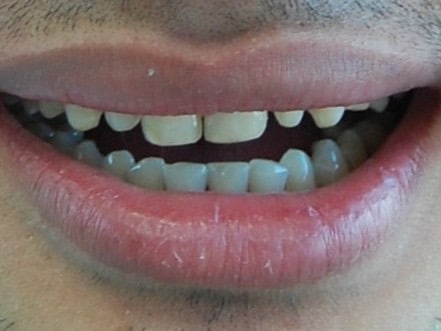
Composite veneers (you might also hear them called resin veneers, bonding or caps) are made from a tooth-coloured resin, the same material we use for white fillings. We bond it straight onto your tooth and shape it by hand, and in most cases, we can do the whole thing in a single appointment.
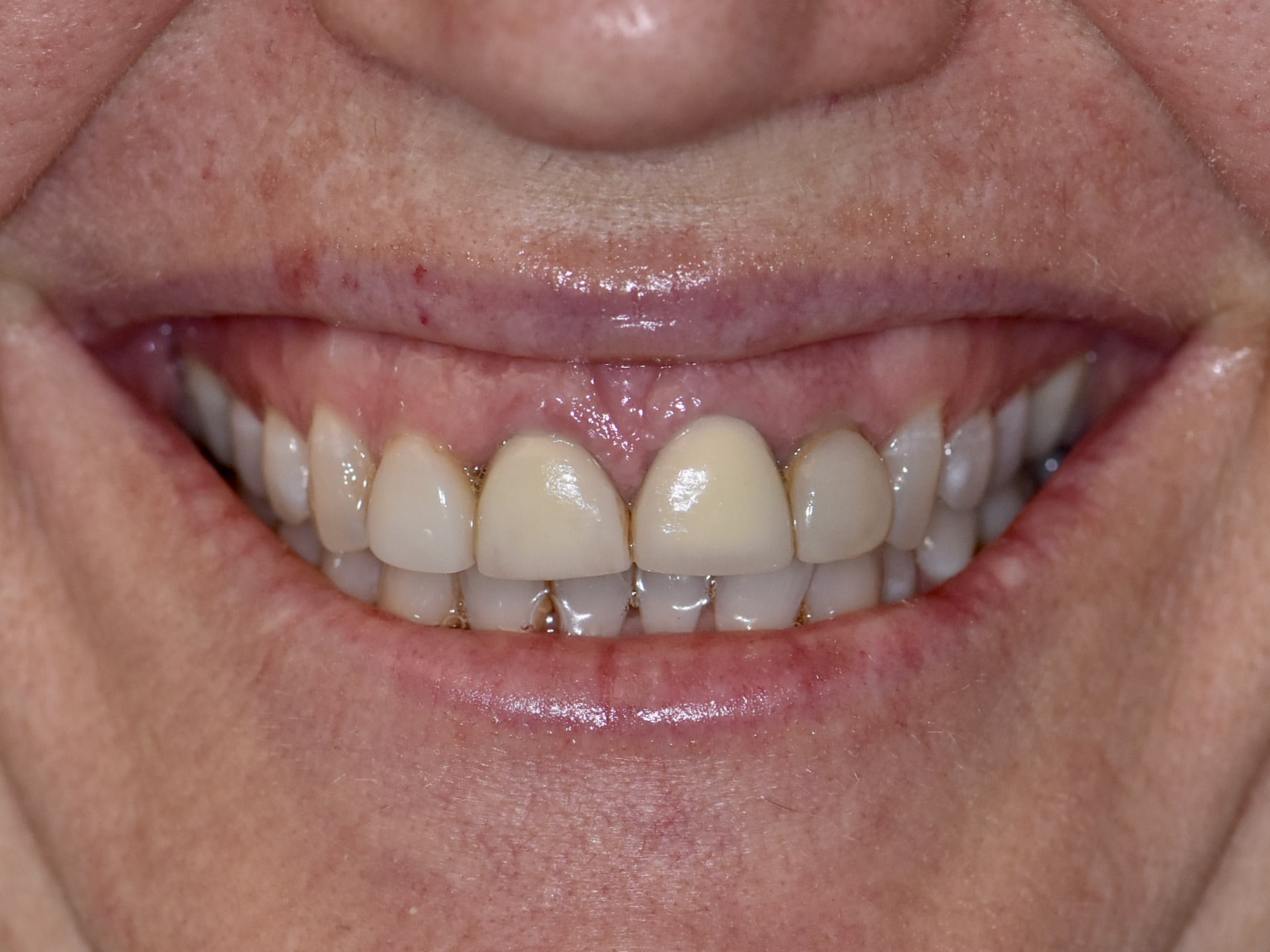
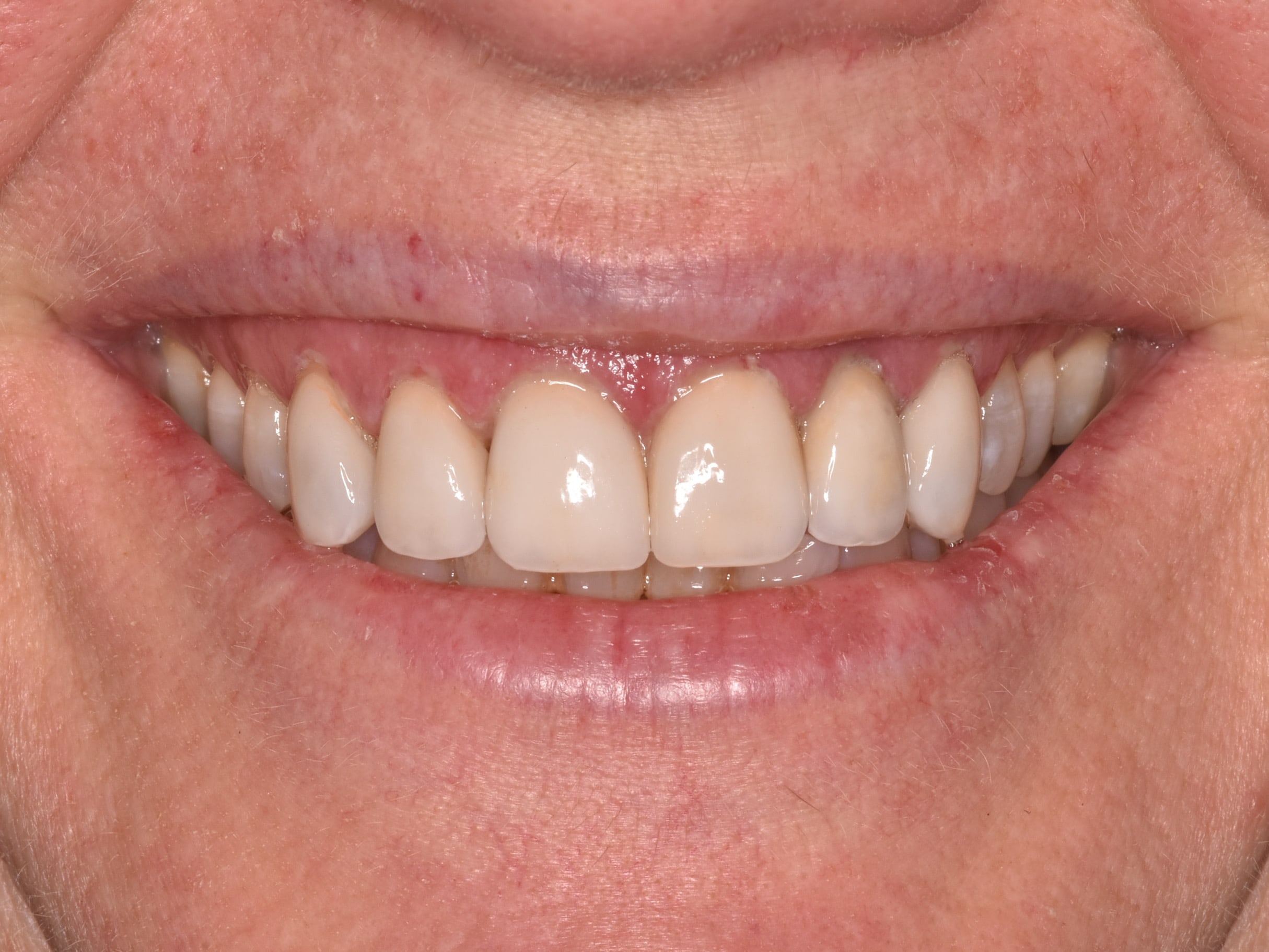
The real advantage of composite is that it’s additive, which means we don’t reduce your tooth at all. Nothing permanent happens, and that matters more than most people expect it to. It’s also more affordable to begin with. The trade-off is that composite stains and discolours more readily than porcelain, so it will need polishing, repair or replacing as time goes on. The upside is that when it does need attention, we can usually repair it rather than start again.
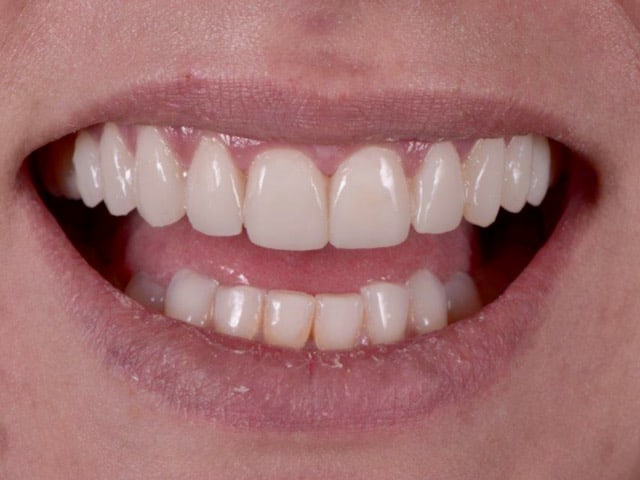
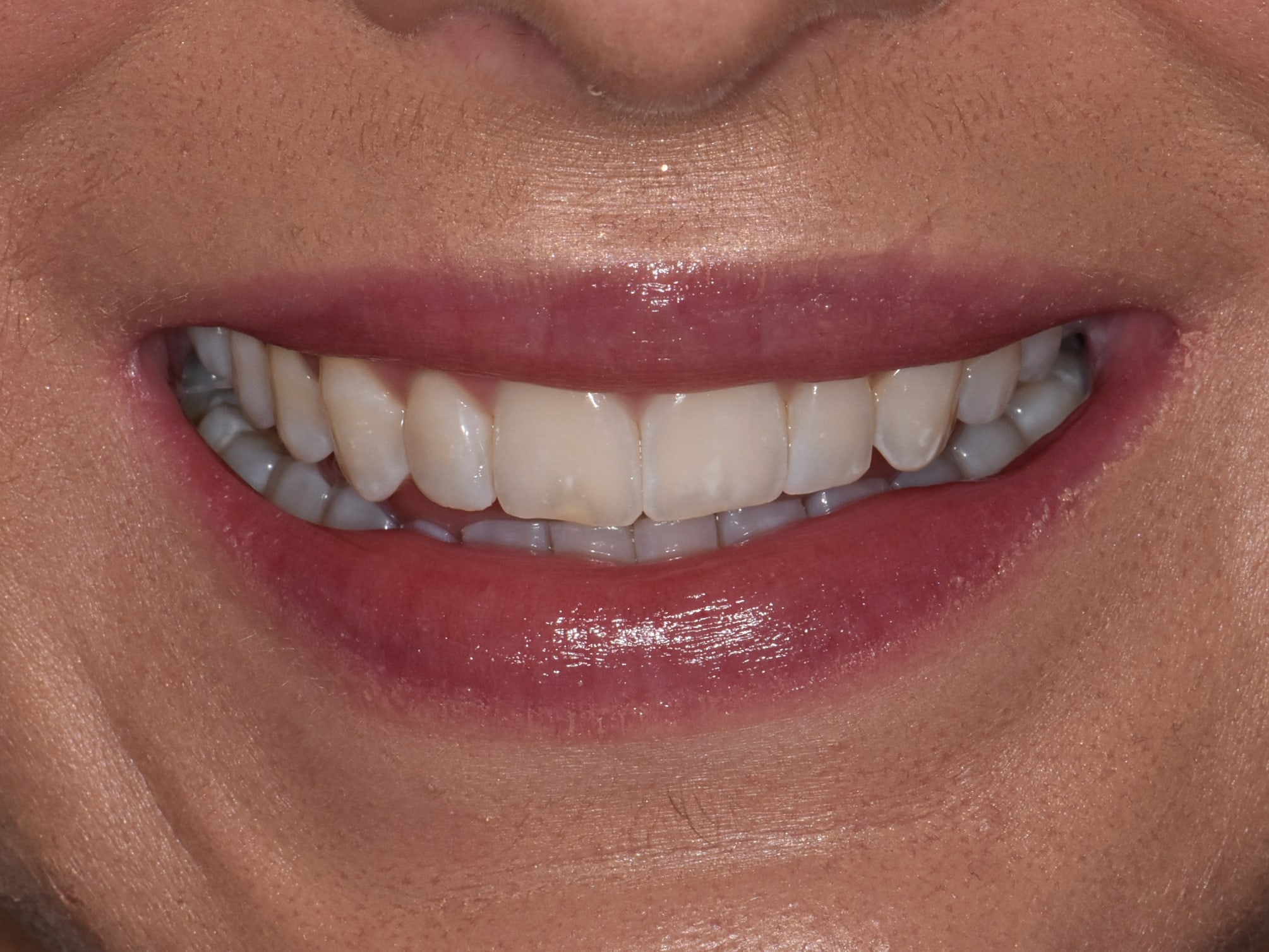
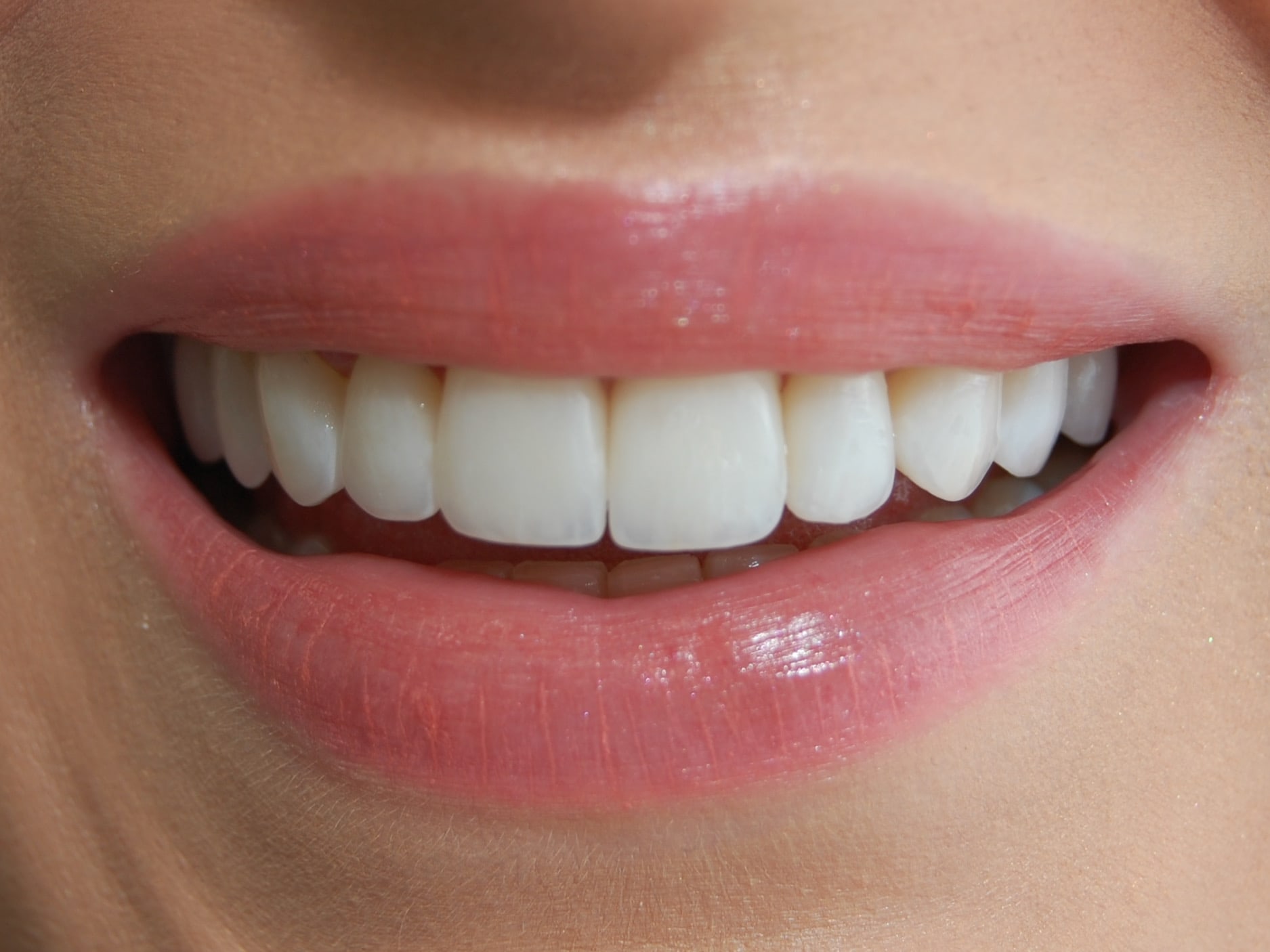
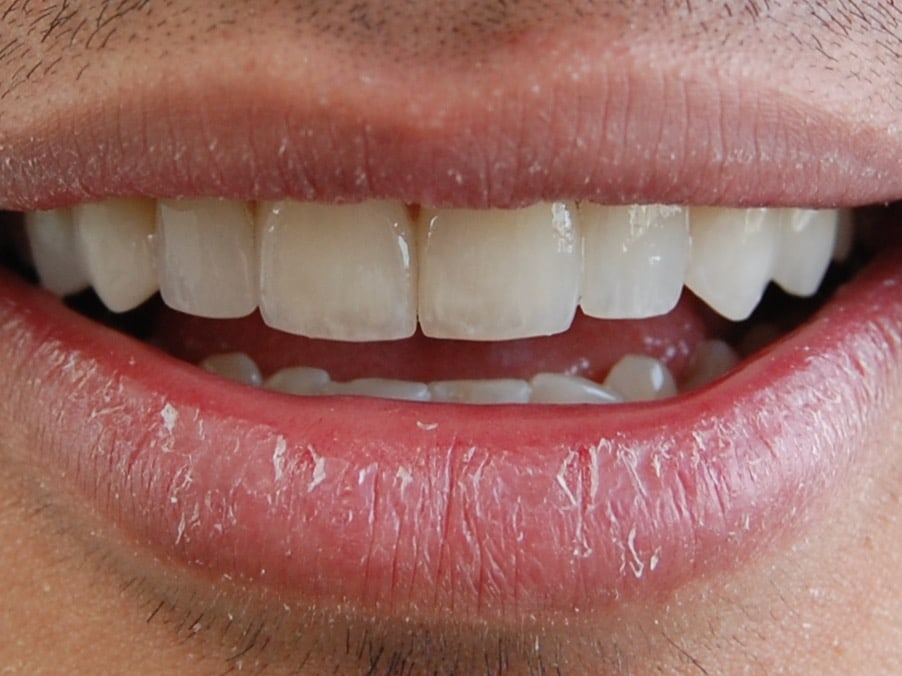
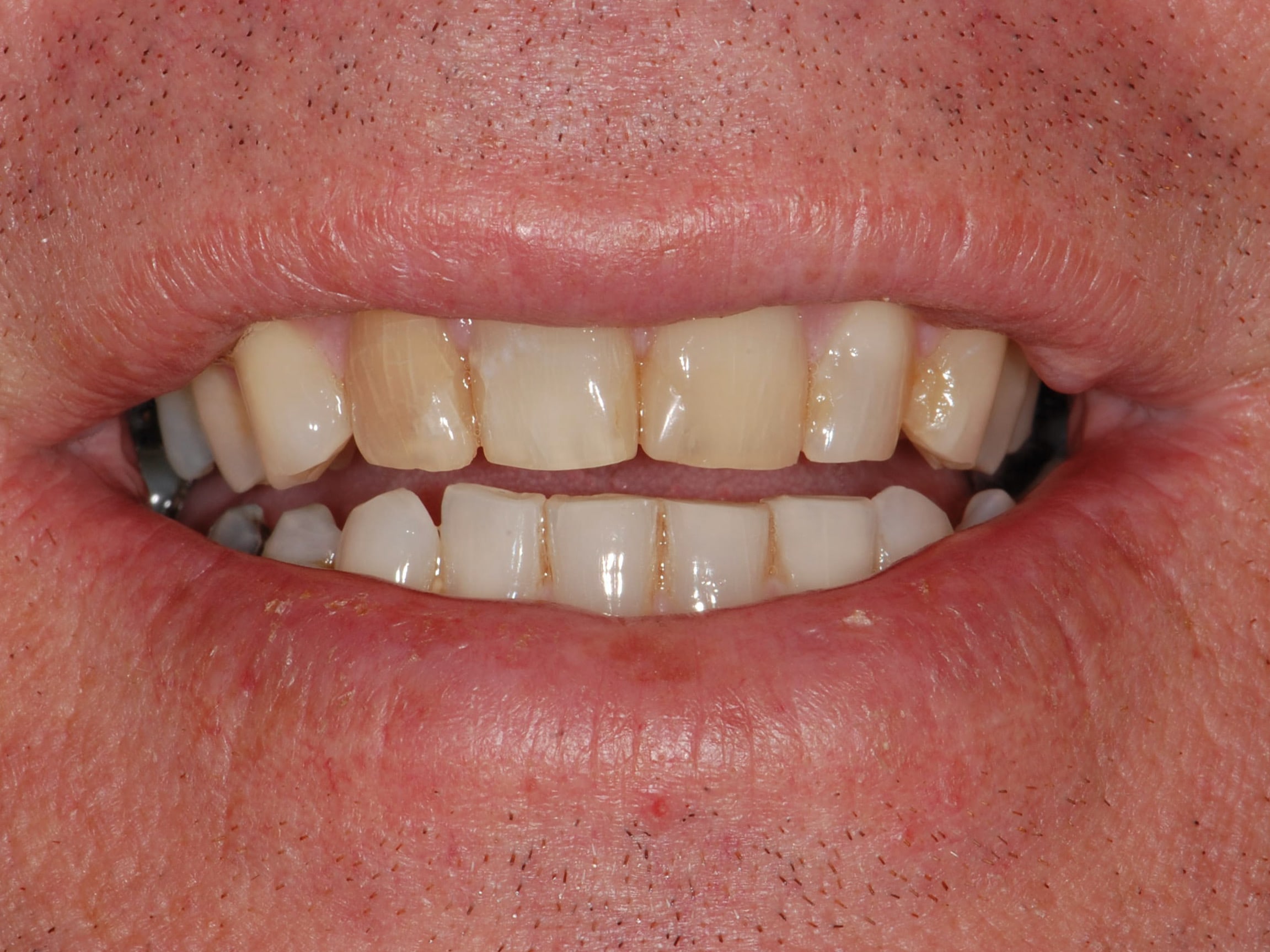
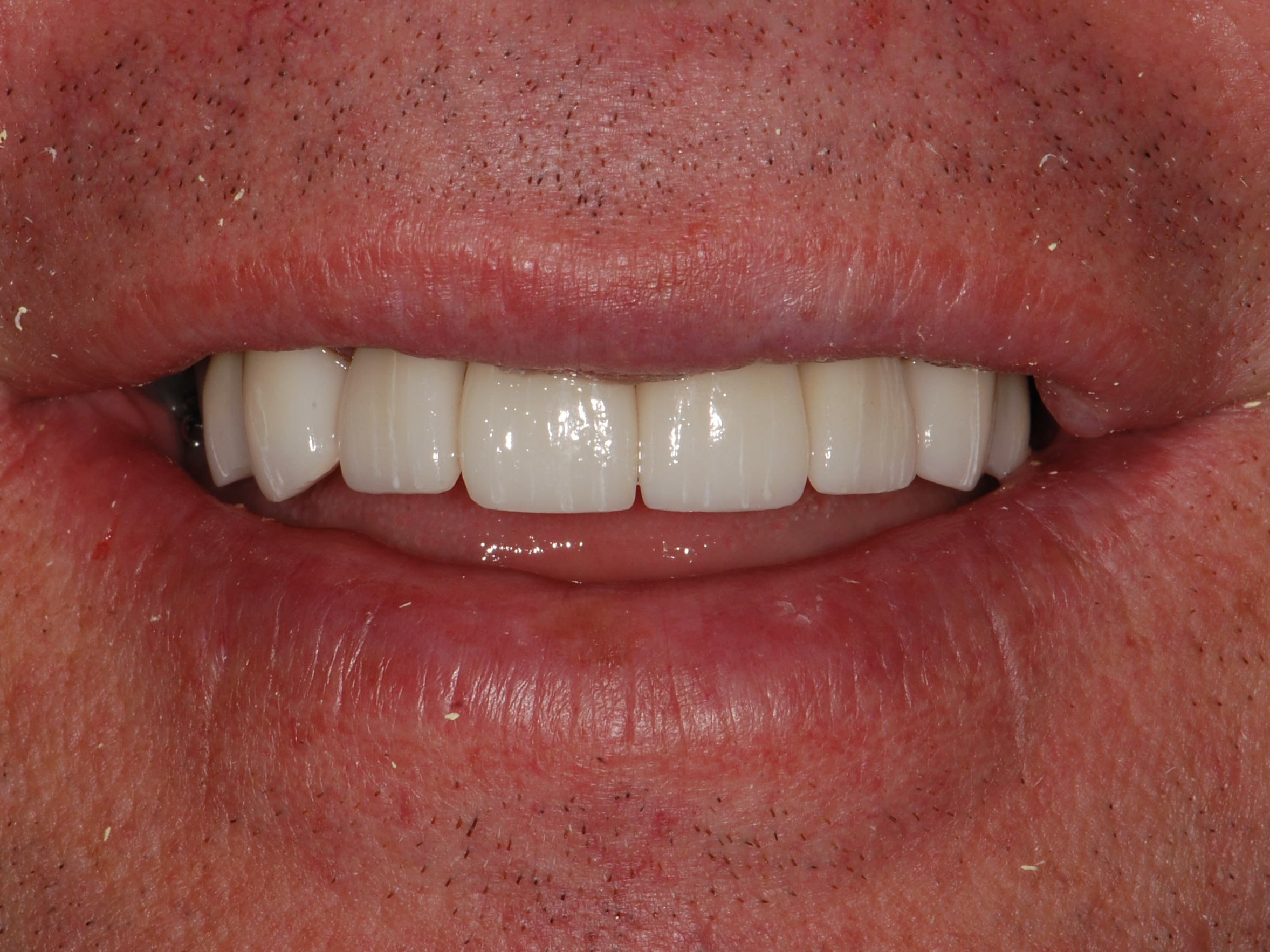
Porcelain veneers are thin layers of glass-ceramic, made individually for each tooth and bonded into place. Porcelain is a stronger material than composite resin, it resists staining, and it won’t discolour as it ages. The process is a little more involved and it does cost more. We should say too that both materials can chip, and if you grind or clench your teeth that will shorten the life of either one, so if you’re a grinder we’ll usually talk to you about a night guard.
The trade-off with porcelain is enamel. To make room for the veneer we usually need to remove a thin layer of enamel from the front of the tooth, and enamel doesn’t grow back. How much comes off depends on the tooth and on what we’re trying to achieve. Sometimes it’s none at all, called “no- prep veneers”, sometimes it’s very little, or what we call “minimal prep” and where we’d need to take more, we’ll usually suggest a different approach altogether. We’re conservative about this for a clinical reason rather than a cosmetic one: veneers bonded to enamel last longer than veneers bonded where the dentine underneath has been exposed.
As for how long they’ll last, that really depends on your bite, your habits and how you look after them. Composite has the shorter working life of the two: the research that has followed composite veneers reports most of them still in place somewhere between five and eight years on, with regular polishing and the occasional repair along the way. Porcelain lasts longer, and studies that have followed patients for fifteen to twenty years report most veneers still holding up. The figures do vary a good deal between studies, though, so we’d rather not put a number on yours until we’ve had a proper look at your teeth.
Both options have their place. Make the most of your first appointment by talking it all through with us: what’s involved, what it will cost in total, what the alternatives are, and what happens down the track when they need replacing.